SCHREI
DE Book

Wine at Das Schrei

Origin you can taste.

The Old World. Big names, small producers and everything in between. What matters is what happens in the glass.

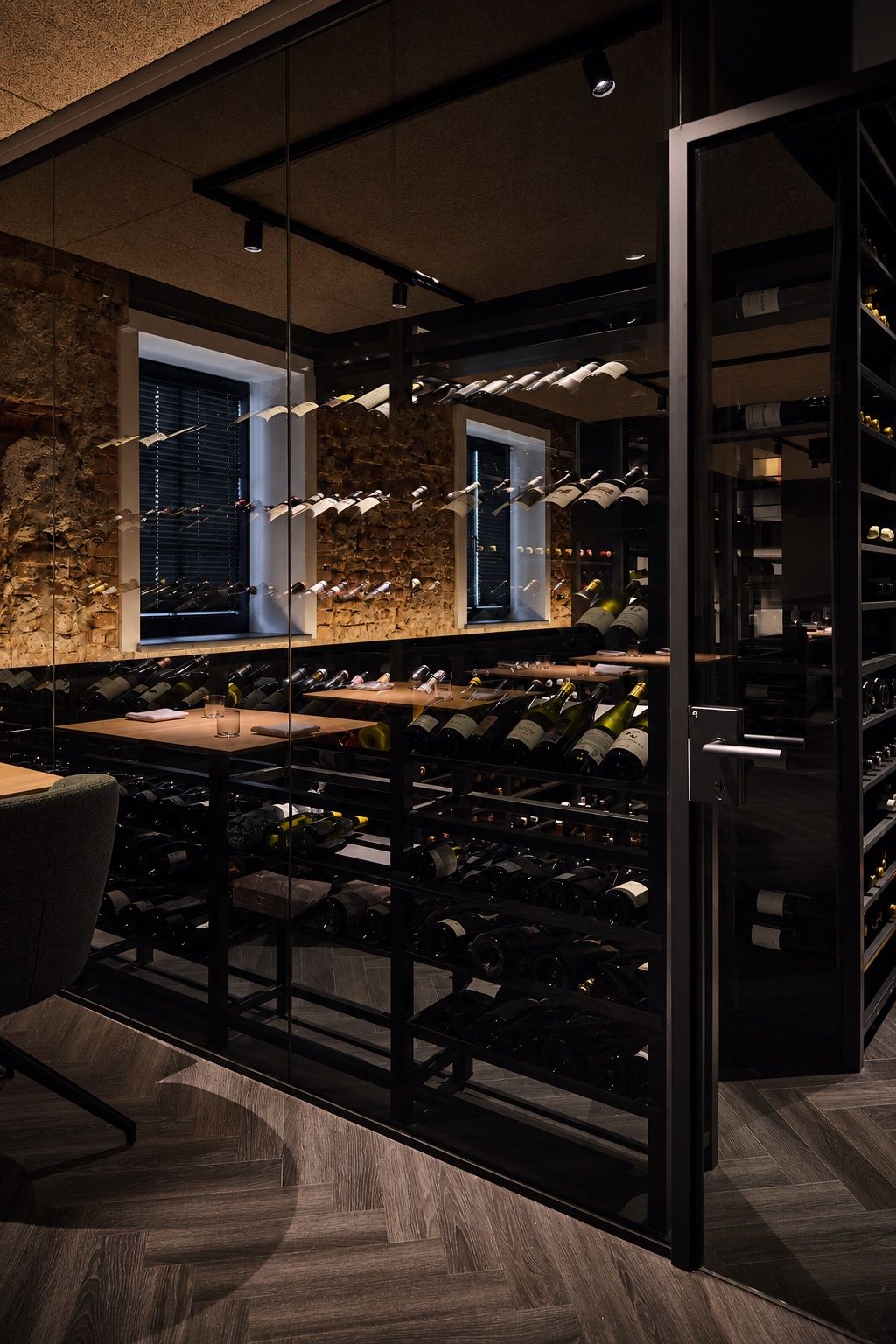
The glass-walled wine cellar at Das Schrei
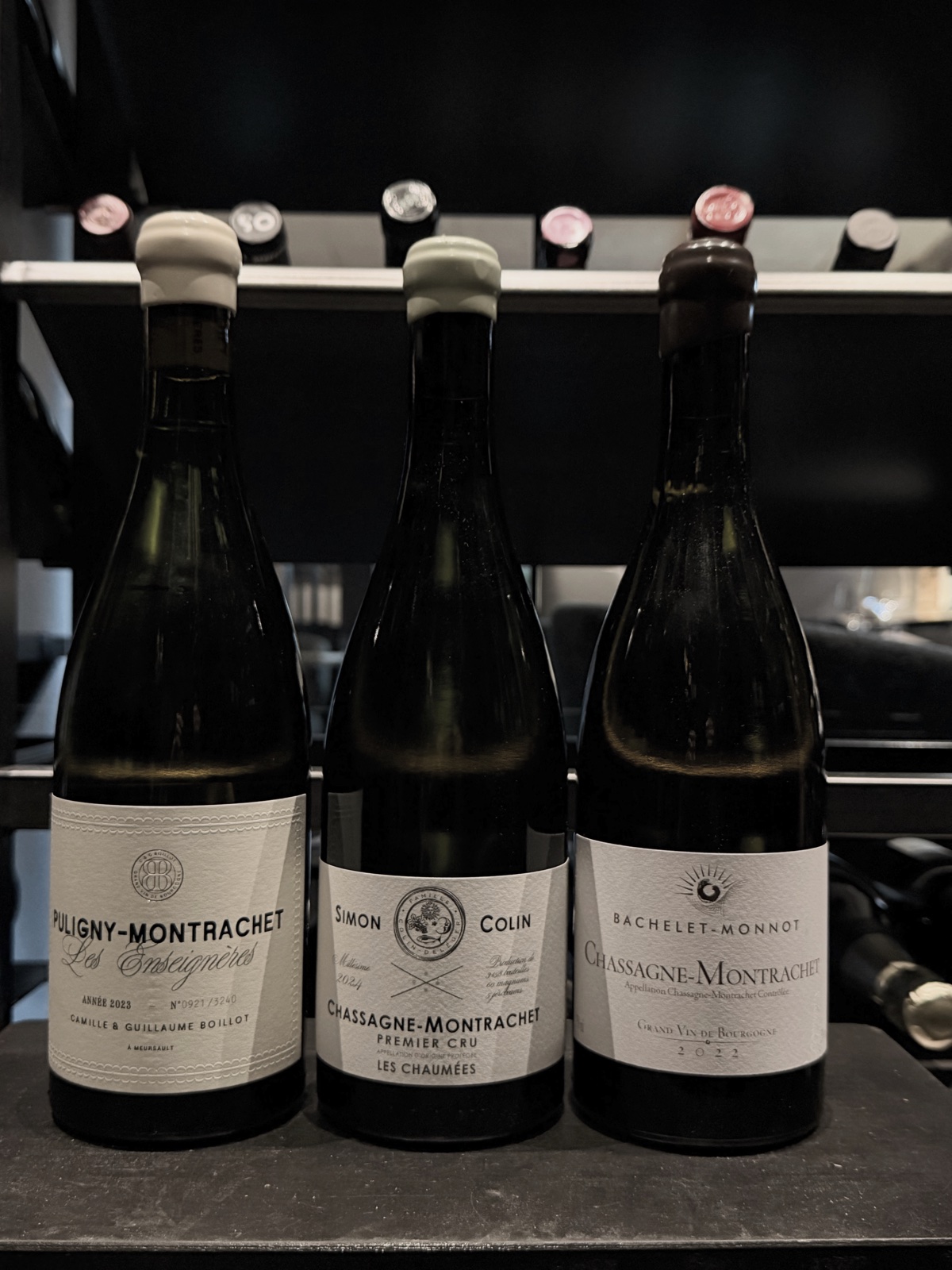
Three bottles of white Burgundy

Our wine list

At home in the Old World.

Our wine list is at home in the Old World. Austria is a focus, joined by Germany, France, Italy, Slovenia and selected wines from further afield.

We’re not interested in which box a wine fits into. We want to know where it comes from, who is behind it and how it is made.

Our approach

What the soil does. What the climate does. What people do.

Wine gets exciting for us when you can taste where it comes from. Terroir isn’t a buzzword, but the interplay of place, vintage, craft and the vision of the people behind it.

Ratings play hardly any role in our selection. A wine has to suit our style, convince in its craftsmanship and be a product we stand behind ourselves.

Regionality matters to us, without being dogmatic. Classic wines sit naturally alongside modern winemaking, renowned producers alongside small estates. In the end, quality is what counts.

The wine list

500

wines. And still not a collection for collecting’s sake.

Wachau, Kamptal, Southern Burgenland and Styria meet Burgundy, the Loire, Jura and Piedmont. Natural wine belongs here just as much as classic styles – just never as an end in itself.

Some wines want to be drunk young. Others benefit from time. That’s why we try to offer both: current vintages as well as mature bottles, rarities and allocations available only in small quantities.

The list isn’t meant to be a museum. It’s meant to offer choice and make you want to discover something new.

01Austria
as a focus
02The Old World
at the centre
03Allocations &
small quantities
04Maturity &
rarities
Wachau✕Kamptal✕Südburgenland✕Styria✕Burgundy✕Loire✕Jura✕Piedmont✕

The people behind it

For us, wine doesn’t start with the label.

Staying in touch with winemakers is an essential part of our work. We want to know how they work, what idea lies behind a wine and why decisions in the vineyard or cellar are made the way they are.

In Austria in particular, we know many estates personally. Over the years this has led to exchange, trust and real relationships. That’s often exactly what makes a bottle even more exciting for us.

Small quantities. Big differences.

Grower Champagne · a focus of our wine list

Grower Champagne

Many signatures. One origin.

Grower Champagne fascinates us precisely because of its diversity. Origin, élevage, grape varieties and each house’s signature create completely different styles within a single region.

Many of these wines are made only in small quantities. That doesn’t automatically make them better – but often more individual and harder to find. That is exactly why grower Champagne has become a focus of our list.

Alongside small producers, you’ll of course also find the big names. Diversity is more exciting to us than ideology.

Jakob Schmid presenting a wine at the chef’s table

At the table

20 seconds. Or five minutes.

Above all, wine service here should suit the guest. We explain what matters, without turning it into a lecture.

If you simply want to drink and enjoy, you’ll get the essentials in a few sentences. If you want to go deeper, just ask – and a short note on origin or vintage can turn into a longer conversation.

As sommeliers and hosts, we’re there with our expertise, without making wine more complicated than it needs to be. Personal advice, not a lesson.

Pairings

The wine has to suit the food. Not the other way round.

01

Wine pairing

One wine for every course. The selection is created together with the menu and changes constantly. Well-known names may appear just as much as lesser-known regions, small producers or bottles you might never have ordered yourself. The goal is always the same: a really good match with the dish.

02

Premium pairing

Two half glasses per course that set up a comparison. The dish decides what faces off: two regions, two sites, young against mature, the same producer in two expressions or two completely different ideas. Not to find a winner – but to taste the differences.

Prices per person

Non-alcoholic · developed in-house

Not instead of wine. A choice of its own.

KombuchaKefirGinger beerFermentsJuicesTea extractsEssencesReductionsFat washingAgar clarification

Building drinks is sometimes pretty close to cooking.

Our non-alcoholic pairing is made entirely in-house and developed by Jakob. His many years of kitchen experience flow into it just as much as his work as a sommelier.

We ferment, reduce, extract and clarify. Kombucha, kefir and ginger beer meet juices, tea extracts, essences and techniques usually found in the kitchen – from reductions to fat washing and agar clarification.

Development usually starts with the dish: What kind of acidity does it need? Where does structure come from? What brings length, spice or freshness? Sometimes a drink convinces us first, and we wait for the right course to go with it. Just like with a bottle of wine.

Less sweetness, more tension and a clear interplay with the food. The non-alcoholic pairing isn’t meant as a substitute, but as an experience in its own right.
Wine & drinks

We like to decide what goes in the glass together with you.

A bottle, a pairing, two glasses side by side or completely alcohol-free: it should suit your evening.